Electrical Apprentice Wages: Pay Rates by Year (2026-2027)
An apprentice electrician earns from $16.39 to $17.97 an hour in their first year, depending on whether they completed Year 12, rising to $26.50 an hour in fourth year. These are the minimum rates under the Electrical, Electronic and Communications Contracting Award from 1 July 2026, and they already include the industry, tool and electrician’s licence allowances.
This guide sets out electrical apprentice wages for every year, adult apprentice rates and how your pay increases as you progress. For other trades, see our national apprentice wages guide and the NSW apprentice wages page.
How Electrical Apprentice Wages Are Set
Electrical apprentices are covered by the Electrical, Electronic and Communications Contracting Award 2020. Junior apprentice pay is set as a percentage of the qualified electrician rate (Electrical worker grade 5, $29.45 an hour from 1 July 2026), and the percentage increases each year of the apprenticeship.
Your rate depends on your year of apprenticeship, your age when you start and whether you completed Year 12. Award minimum rates are reviewed every year by the Fair Work Commission, and the 2025-26 Annual Wage Review increased modern award rates by 4.75% from 1 July 2026.
Electrical Apprentice Pay Rates by Year (from 1 July 2026)
| Apprenticeship year | Junior, did not complete Year 12 | Junior, completed Year 12 | Adult (21 or over at start) |
|---|---|---|---|
| 1st year | $16.39/hr (about $623/wk) | $17.97/hr (about $683/wk) | $25.87/hr (about $983/wk) |
| 2nd year | $19.55/hr (about $743/wk) | $21.13/hr (about $803/wk) | $28.90/hr (about $1,098/wk) |
| 3rd year | $22.71/hr (about $863/wk) | $22.71/hr (about $863/wk) | $28.90/hr (about $1,098/wk) |
| 4th year | $26.50/hr (about $1,007/wk) | $26.50/hr (about $1,007/wk) | $28.90/hr (about $1,098/wk) |
Weekly figures are based on a 38-hour week, rounded to the nearest dollar, and apply to apprentices who started on or after 1 January 2014. A first-year junior apprentice who completed Year 12 earns about $35,500 a year before tax. Overtime, penalty rates and other allowances are paid on top.
Allowances Included in Electrical Apprentice Pay
Under the electrical award, the apprentice hourly rate already includes three allowances: the industry allowance, the tool allowance and the electrician’s licence allowance. Junior apprentices receive the full tool allowance plus their percentage of the industry and licence allowances, so there is nothing extra to claim for these.
Other allowances are paid separately when they apply, such as fares and travel time, special site allowances and expenses when training requires an overnight stay. Your employer also reimburses TAFE or training fees and prescribed textbooks. Read more about the apprentice tool allowance.
Over 21? Adult and Mature-Age Electrical Apprentices
An adult electrical apprentice is someone who is 21 or older when they enter their training contract. Adult apprentices earn 80% of the qualified electrician rate in their first year and the Electrical worker grade 1 rate from second year onwards, which works out to $25.87 and then $28.90 an hour including allowances.
If you have worked for the same employer under the electrical award for at least six months full time before starting an adult apprenticeship, your pay cannot be reduced when you start. Read more about mature age apprenticeships.
Becoming a Licensed Electrician
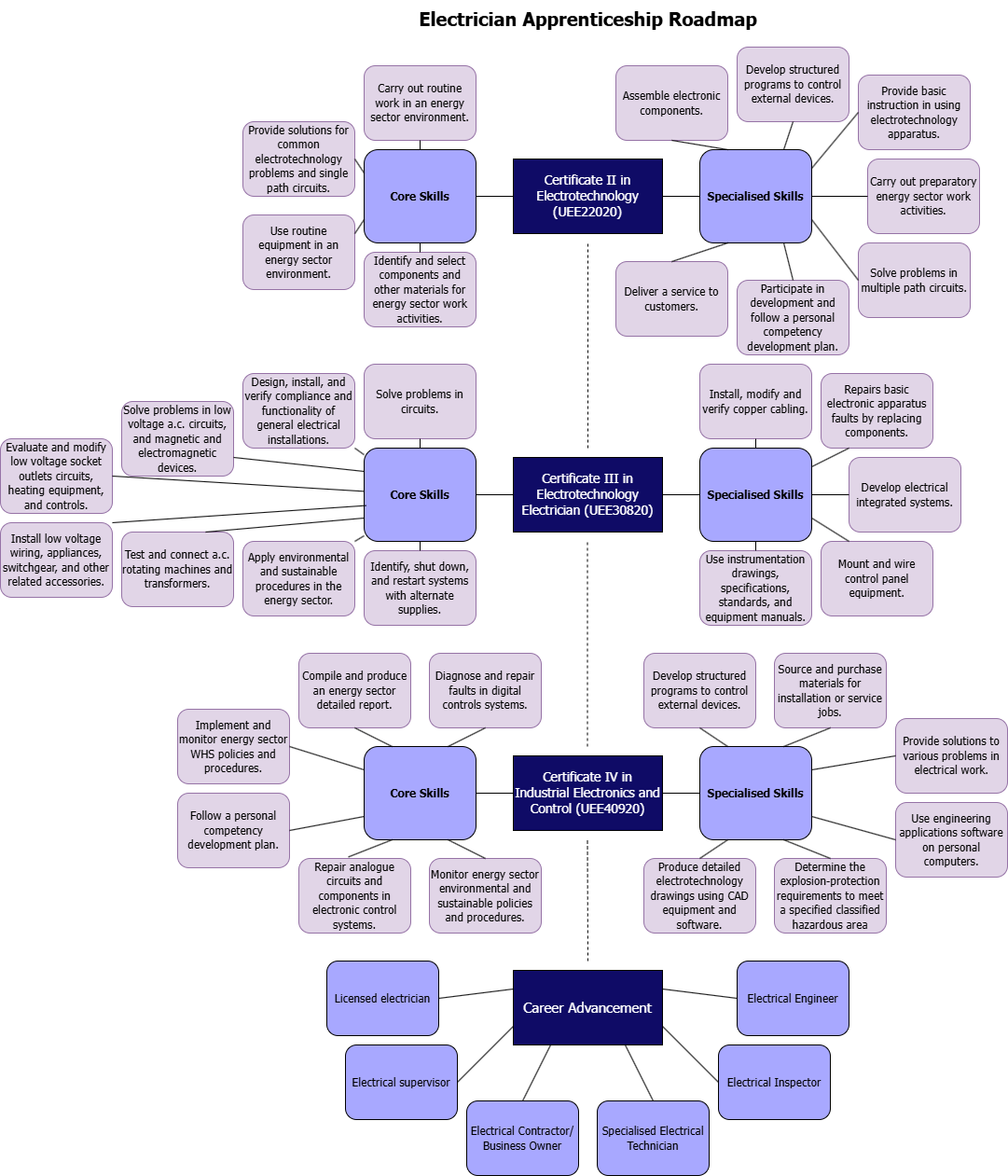
An electrical apprenticeship takes around four years and leads to the Certificate III in Electrotechnology Electrician (UEE30820). Once you finish, you apply for your electrical licence and move onto the qualified rate. Electricians in Australia earn median full-time earnings of $2,191 a week, according to Jobs and Skills Australia.
When you secure an electrical apprenticeship through 1300apprentice, we employ you directly, place you with a host employer, pay your wages and superannuation, cover your training fees and support you until you qualify. See the full steps in how to become an electrician.
Frequently Asked Questions
How much does a first year electrical apprentice earn?
A first year electrical apprentice earns $16.39 an hour if they did not complete Year 12, or $17.97 an hour if they did, under the electrical award from 1 July 2026. That is about $623 or $683 for a 38-hour week, including the industry, tool and licence allowances. Adult apprentices aged 21 or over earn $25.87 an hour in the first year.
When do electrical apprentice wages go up?
Electrical apprentice wages go up at the start of each new year of the apprenticeship, when you move to the next percentage of the qualified rate. Award rates are also reviewed every year by the Fair Work Commission, with increases usually applying from the first full pay period on or after 1 July.
Do electrical apprentices get paid for TAFE?
Electrical apprentices get paid for TAFE, because time spent at required off-the-job training counts as time worked under the electrical award. Your employer also reimburses TAFE or training organisation fees and prescribed textbooks, so you are not out of pocket for the course.
How much does a 4th year electrical apprentice earn?
A 4th year electrical apprentice earns $26.50 an hour under the electrical award from 1 July 2026, which is about $1,007 for a 38-hour week including allowances. Adult apprentices earn $28.90 an hour from second year onwards, so their fourth-year rate is slightly higher.
How long is an electrical apprenticeship?
An electrical apprenticeship is four years long under the electrical award, although the apprenticeship authority can approve a different period. During that time you work with a host employer and complete your Certificate III in Electrotechnology Electrician through TAFE or another training provider.
Start Your Electrical Apprenticeship
If you are ready to earn while you learn, explore our electrical apprenticeships or register your interest with 1300apprentice. We will match you with a host employer and support you from your first day to your licence. Remember an apprenticeship can start at any time of the year, you don’t need to wait for the new year.